The pandemic has been horrifying, and to be kind to someone needing a hospital bed, or Oxygen to breathe, can take an immeasurable toll on one’s mind. But across the nation, inspiring stories are, indeed, still very present. Take the case of this grand old person, Vidya Devi, from Gorakhpur. This lovely woman is 82 years old, and using a particular method, she managed to test herself negative to COVID-19 merely 12 days of home isolation later.
No. Not an oxygen cylinder was anywhere near her during her journey on her own unique road to testing COVID-19 negative. Sometime during the end of April, this woman showed the nation, what it can do with sheer willpower.
So, what did she demonstrate to this nation that continues to suffer from terrible shortness of breath (thanks to the unwanted guest, COVID-19)? She rested in a prone position. Now that the lovely old lady has become a popular sensation in these tough times, people from all walks of life are now prone to being in the prone position.
Indians are gasping for their breaths and a lot of them are dying as a result. The gloom outside is highly apocalyptic and all of this is a result of the tendencies of this second wave of COVID-19. During this wave, two of the major indicators of a definitely Covid infection are the unexpectedly sudden drop of oxygen levels and the resultant shortness of breath. It is vital that the people of this country take all necessary precautions to avoid the infection, stay healthy, and protect those near and dear to them all.
With not a bed to rest and get treated on, because of this rampaging wave of the pandemic, healthcare specialists and professionals have come to a conclusion in saying that proning can be an effective method to increase the levels of oxygen in bodies suffering from the coronavirus disease. What can be understood is that, oxygenation is promoted when proning is done seriously.
What is the prone position?
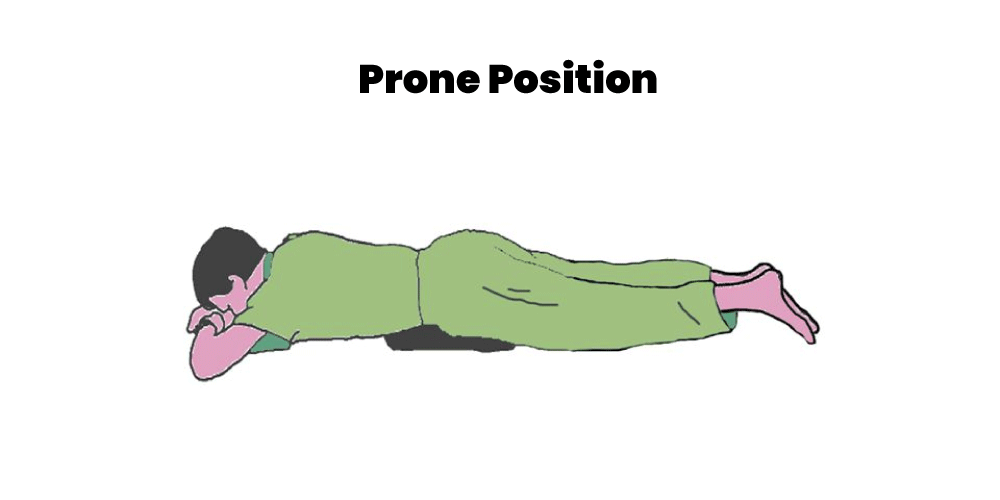
A patient is said to follow the prone position method when they turn with precise, deliberate, and safe motions from their back onto their stomach. In general, SpO2 levels (the level of oxygen) are supposed to be between 94 and 100. Anything that goes below 94 is unsafe and such oxygen levels call for professional medical assistance. In the event of professional assistance being unavailable, healthcare experts at the Union Health Ministry of India recommend that the prone position be followed by those who are covid-affected, in home isolation, with a dip in their oxygen level.
Should someone be suffering from diseases of the respiratory kind, it is advised that they turn onto their abdomen instead of resting on their backs in a slow, careful turn. Rest position for respiratory issues being the prone position has been widely in practice in the western world, and as a result of this brutal pandemic and the related shortness of breath covid is now known to cause, has made its way to the Indian shore, too. Vidya Devi plays a role in this, of course.
Can proning be done for long hours?
No. Healthcare experts suggest that the prone position should be changed every 30 minutes. This is to avoid excessive pressure on the stomach. A patient who has to follow the prone position method has to change to their sides with caution before they go back to the position of normalcy.
What would a person need for the prone position method?
This wave of coronavirus disease has had a tellingly distressing impact on the nation because people infected by the virus just cannot seem to be able to breathe normally, for their SpO2 levels drop below the ideal, normal limit. If and when an infected person experiences shortness of breath symptoms, it is likely that the SpO2 levels of their body have gone down, below the 94% level. In this case, the person should resort to lying down in a prone position. As discussed, it is the position where a person is on their stomach. For this to become a safe reality, a person infected by Covid who is experiencing a shortage in SpO2 level is supposed to have one pillow under the neck, a pillow or two below their chest-upper thigh region with two of them to support, below their shins.
One has to regularly alter their position if they are self-proning, and in all, a total of 4-5; perhaps even 6 pillows are necessary for the proning method to increase oxygenation to work as it is supposed to work — and has, for those who have successfully employed the proning technique in the right way it should be to combat what causes shortness of breath now in these tough, tough pandemic times: the coronavirus disease.
Health experts around the country recommend that it is important to avoid being in one position for more than 30 minutes. To change the position, one has to always consider shifting to their sides before their next ideal position is decided and turned to.
How important is proning?
The Union Health Ministry of India, along with other healthcare professionals across the country (and the world) are staunch supporters of employing the proning method for people in self-isolation, with SpO2 levels below 94. There are several reasons as to why it is the case, such as:
Should a person prone, their alveolar units are opened up and easy breathing becomes a bit more accessible, for proning is known to improve ventilation
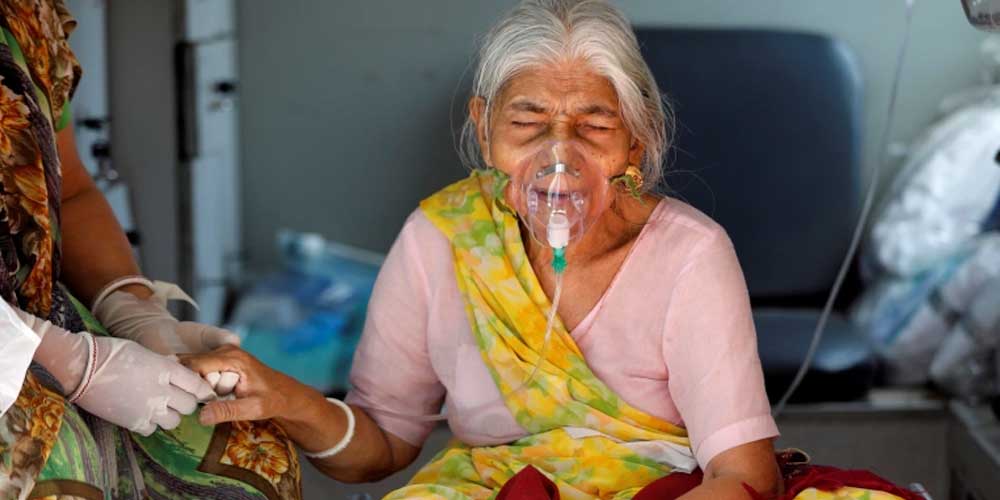
As there’s been an alarming shortage of oxygen cylinders across the country, to those who suffer from SpO2 levels that are reduced to below 94, proning is a definite way to deal with the shortness of breath symptoms covid-infected people experience
Proning and ensuring good ventilation in a timely manner is bound to save lives
Cautions to take while employing the prone position met
The advantage of proning is that it is as easy to do as it is effective in oxygenation. With that said, there do exist certain cautionary steps to have in mind while the technique is being performed. Some of the steps of caution to take while proning to eliminate issues related to shortness of breath are as follow:
There are bound to be pressure areas while resting in a position. This is especially true in the case of proning. For maximum comfort during self-isolation and the related proning, one must regularly adjust their pillows as much as is necessary.
A prone position is not recommended to those who are fresh from taking a meal. This makes sense for the concentration of food in the stomach is high immediately after a meal.
Tolerance is valued and staying in a proning position for only as long as the position remains tolerable
Areas that have prominent bones, sores, and injuries, etc, are to be treated with caution and not have pressure put on.
Why should a patient prone?
The exchange of oxygen and carbon dioxide in the blood happens upon the permission granted by the alveoli. If a person who’s infected by Covid is suffering from shortness of breath, they should employ the proning method for better oxygenation, as the position and the pressure exerted by it helps in the supply of air in the lungs. Also helping the distribution of air in the lungs is the proning method. The proning technique, therefore, can be understood to directly affect the function that the alveoli serve in a person’s respiratory system.
ARDS, the abbreviated form of Acute Respiratory Distress Syndrome can be a nightmare to those who sleep on their backs as sleeping on the back can have a deleterious impact on the functioning of the pulmonary system. COVID-19 is a cause of breathing issues, but even before the pandemic, ARDS was amongst the most infamous shortness of breath causes.
Curious as ever, medical practitioners began recommending their patients who have ARDS, the resting on the stomach position — in other words, the proning method. After peer-reviewing the technique, beginning from the 1970s, it has now become a standard practice for practitioners to recommend their ARDS patients, the proning technique to alleviate their breathing troubles.
How does the proning method help people with coronavirus disease and other ARDS?
To those already combating COVID-19, should they already have ARDS, there are increased chances of them experiencing severe lung infection. Reports indicate that, for patients with issues such as ARDS (and hypoxemia), proning has proven to be beneficial in ways such as:
Ventilation-perfusion matching is improved
Dorsal lung areas negatively impacted by the alveolar collapse see an improvement in ventilation
The mortality rate is made better. Fewer deaths occur due to better oxygen levels that the proning technique makes happen
Emergency proning
Knowing what to do if a patient is to be placed in a prone position is a key skill to have in these pandemic times, and especially so if someone in contact with a COVID-19 patient. Proning position is a shortness of breath treatment, after all. These are the steps to follow to help a patient be placed in a prone position:
The patient is to be pulled to one side of the bed with the help of a flat cloth sheet
The flat sheet is to be placed around the arm that is to pull through
A second sheet is introduced now and it should be placed on the bed, tucking it under the patient and the sheet will pull through as the patient is turned
With the sheet’s help, the patient should be turned over onto their stomach
As discussed above, the next step is to place pillows that are preferably soft
The patient must be centered after 30 minutes, and while that happens, concurrently the sheet that was used before should be discarded and replaced
Those who must avoid the proning method
Not only should proning in one position be avoided for more than 30 minutes, to people with certain conditions, proning itself must be avoided. The conditions that render proning hazardous to people are:
- Major cardiac problems
- Pregnancy and Ivf Treatment patients
- Thrombosis (deep vein)
- Tracheal surgery that’s been done
- Fractures of the pelvis
- Spine or femur with stability complications
Even when someone is eligible for proning method to combat shortness of breath complications (and improve oxygenation), there can be unwanted complications such as:
- Skin injuries because of the pressure the position creates
- Obstruction of the airway
- Low blood pressure
- Edema (facial and airway)
The endotracheal tube can get dislodged - Heart arrhythmias
Proning despite these risks, is a fantastic tool to deal with the shortness of breath that COVID-19’s devastating second wave causes. Unless the patient poses threatening risks, proning most definitely can and should be done.